

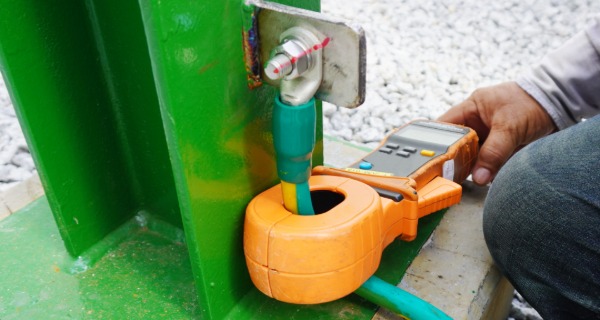
Are You Checking Your Ground Resistance Often Enough?
Grounding is one of the most overlooked components of an electrical system — yet it plays a critical role in keeping equipment stable and personnel safe. Many facilities assume their grounding system is a “set it and forget it” component, but in reality, it must be inspected, measured, and documented every year.
With today’s surge of sophisticated electronics, sensitive machinery, and increasingly complex power systems, the importance of proper grounding has never been greater.
Ground Resistance Requirements: What the Regulations Say
Different Regions, Different Standards
Regulations vary by region:
- South Dakota: Up to 25 ohms is acceptable
- Alberta: A maximum of 10 ohms is permitted
Despite regional differences, the underlying principles of grounding remain consistent. A safe system requires low resistance to allow fault currents to dissipate harmlessly.
CleanVolt™’s Recommended Threshold
While regulatory limits exist, CleanVolt™ recommends maintaining a ground resistance below 5 ohms for optimal performance, maximum protection, and system reliability. Anything higher can put personnel, equipment, and operations at risk.
Proper grounding truly is a matter of life and death.
Why Grounding Cannot Be Neglected
Annual Inspections Are Essential
Grounding systems degrade over time due to:
- Soil moisture changes & acidity levels
- Corrosion
- Temperature fluctuations
- Mechanical disturbance
- Increased electrical load over the years
This is why grounding should be inspected annually — ideally more often for high-risk or high-load facilities.
CleanVolt™ recommends:
- Visually checking ground connection points
- Reviewing and maintaining ground logs
- Tracking resistance measurements year over year
- Investigating any gradual increases (“creep”) in resistance
A small change today may indicate a major safety issue tomorrow.
Modern Equipment Requires Modern Grounding Solutions
Why Older Grounding Methods Aren’t Enough
A galvanized steel plate installed decades ago may have been adequate at the time, but it can be completely insufficient for modern electrical environments. Over the past 25 years, facilities have seen a major increase in:
- Sensitive electronic systems
- High-powered production equipment
- Digital controls
- Automation
- Multiple grounding paths
More equipment means more potential “paths of least resistance,” which can lead to electrical faults, equipment failure, or even fatal incidents.
Today’s Grounding Standards
Modern grounding systems often include:
- One or more eight-foot copper grounding rods
- Additional grounding rods depending on soil type
- Multiple rods installed across a single property
- Supplementary grounding for high-load areas
Different soil conditions — wet, rocky, sandy, or clay — can significantly influence grounding effectiveness, requiring customized solutions.
Frequently Asked Questions (FAQs)
How often should I test my grounding system?
Grounding systems should be tested at least once per year, and more frequently for facilities with sensitive equipment, fluctuating soil conditions, or heavy electrical loads.
What is an acceptable ground resistance level?
While regulations vary, CleanVolt™ recommends keeping resistance under 5 ohms. This ensures proper dissipation of fault currents and maximizes safety and equipment performance.
What tools do I need to measure ground resistance?
A ground resistance meter (also called an earth tester) is the standard tool for measuring grounding performance. Many facilities overlook this device—but it is essential for verifying electrical safety.
Grounding failures are preventable.
CleanVolt™ can help you improve your electrical reliability & optimize power quality. But a grounding expert should be hired to ensure proper grounding standards across your facility.
Contact us today for a Clean Volt deployment consultation.