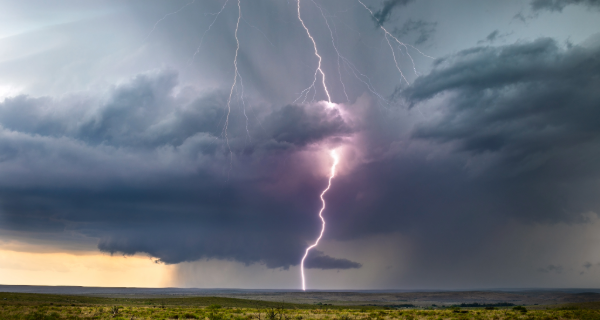
Lightning is one of the most powerful events in nature and nothing on the market will stop a direct strike. The only real defense against a direct hit is the proper redirection of that energy, using the right lightning rods and grounding systems, installed by professionals who specialize in this area. That’s not a knock on surge protection. It’s a different job.
Where surge protection matters is what happens next: once that event travels to the electrical panel, the goal shifts from stopping the strike itself to preventing the spread of the damage it causes. A lot of confusion about lightning protection comes from blurring those two jobs together. Here’s where the misconceptions tend to start:
Misconception #1: “Surge protection stops a direct lightning strike.”
If electrical equipment is struck directly, no device on the market will prevent that damage. Protecting a structure from a direct hit is the job of a properly engineered lightning rod and grounding system, installed by a specialist in that field. Surge protection‘s role begins once the event reaches your electrical panel, where the goal is containing the damage rather than absorbing the strike itself.
Misconception #2: “Direct strikes are the real threat I need to worry about.”
Direct strikes are rare. The majority of lightning damage comes from an induced surge traveling through the main service: the result of a direct strike hitting the electrical grid somewhere else entirely, then riding the lines into your building. This is the event surge protection is actually built to address, and it’s the one most homes and businesses are exposed to far more often.
Misconception #3: “Traditional surge suppression is proven to handle lightning-induced surges.”
Many traditional surge suppression devices have claimed for years that they adequately protect against lightning-induced surges. Rarely have these devices actually been certified to that claim, or shown to prove it out with real-world results. Even the lightning protection standards of the past were eventually discontinued, in large part because so few devices were able to achieve certification under them in the first place.
Misconception #4: “A higher kA rating means better protection.”
kA rating gets treated like a scoreboard, but it doesn’t determine what happens in the moment of the event. A 50kA device offers no different protection during a catastrophic surge than a 200kA device; the surge happens instantaneously, and both are responding to the same instant. The real difference a higher kA rating makes is how many hits the device can take over time, not how well it performs during any single event. Traditional suppressors, regardless of kA rating, haven’t demonstrated the ability to disconnect a system from a catastrophic event the way utilities protect their own equipment on the high-voltage side.
Misconception #5: “Catastrophic protection requires the highest kA rating you can find.”
The energy behind a lightning-induced surge is limited by the size of the conductor feeding your main service, which is exactly why an extremely high kA device isn’t actually required to handle a catastrophic event. What matters more is connection speed, first, and second, the ability to create a fail-safe condition that enhances the system’s own shutdown capability. It’s better for a system to shut down, essentially blocking the high-energy induced surge, and be turned back on once the event has passed, with every piece of equipment still functioning, than to rely on absorbing the hit outright.
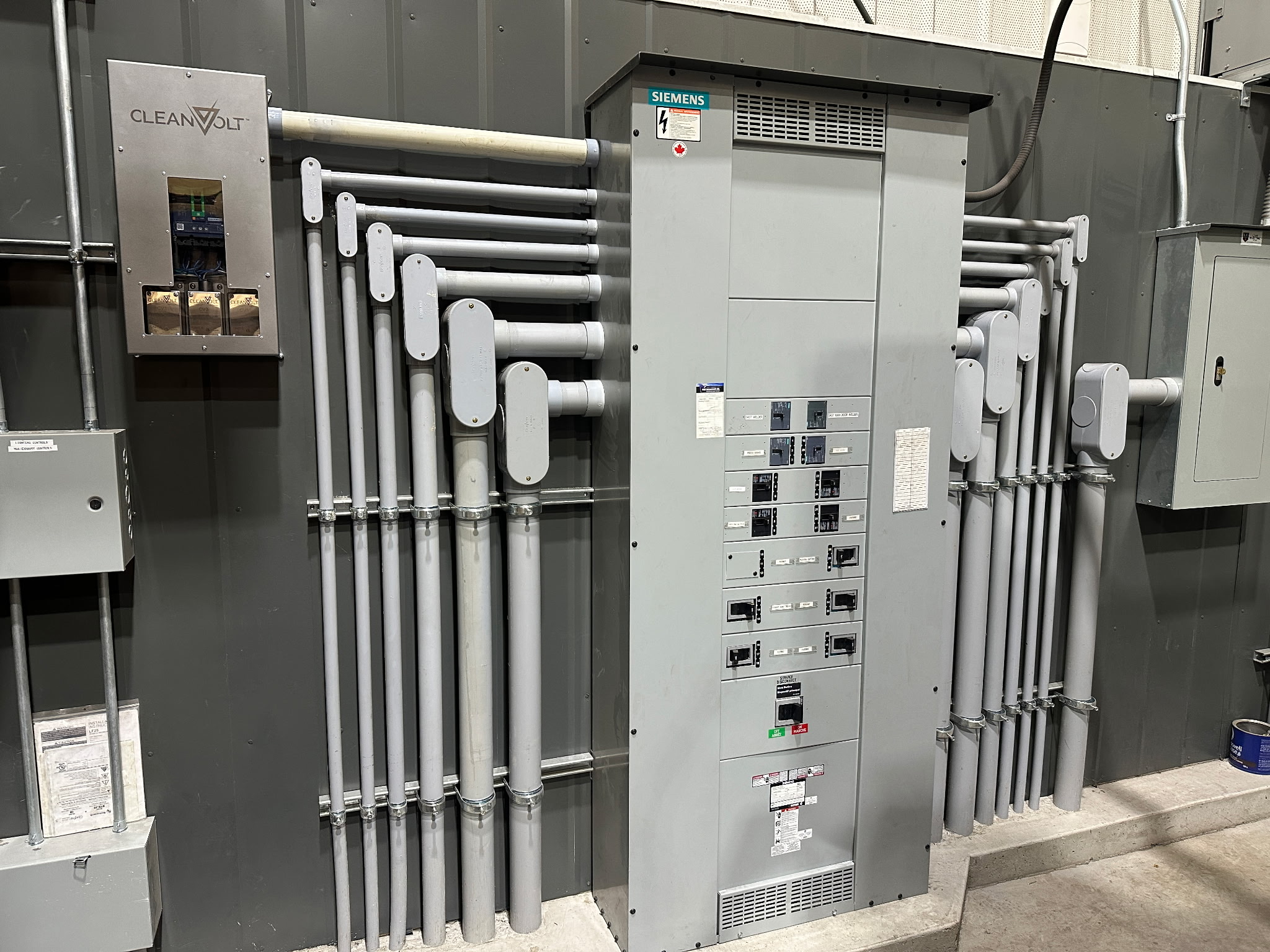
How Clean Volt™ Approaches Catastrophic Protection
Clean Volt’s™ approach is unique, and it’s been proven through decades of real-world results. The CV product lineup passed C62.1 lightning arrestor standards back in the late 1990s, a certification most traditional devices on the market still can’t claim.
That track record comes down to Clean Volt’s™ all-solid-state design and its ability to enhance the system’s built-in function to disconnect during a catastrophic event. Rather than simply absorbing a hit and hoping the rating holds, Clean Volt™ is built around the two things that actually matter in that instant: connection speed and a fail-safe shutdown that blocks the surge, protecting equipment the same way utilities protect their own high-voltage infrastructure so the system comes back on afterward with everything still working.
Frequently Asked Questions
Q: Can any surge protector stop a direct lightning strike?
No. Direct strike protection requires a properly engineered lightning rod and grounding system, installed by a specialist. Surge protection’s role starts once the event reaches your electrical panel, where the focus is preventing the damage from spreading.
Q: Does a higher kA rating mean better protection during a lightning-induced surge?
Not in the moment of the event. A 50kA and a 200kA device respond the same way to a single catastrophic surge — the higher rating simply means the device can withstand more events over its lifetime, not that it performs better during any one of them.
Q: What actually matters most for catastrophic protection?
Connection speed first, and second, the device’s ability to create a fail-safe condition that enhances the system’s shutdown capability — blocking the surge and allowing the system to safely restart once the event has passed.
Q: Has Clean Volt’s™ technology actually been certified for lightning protection?
Yes. The CV product lineup passed C62.1 lightning arrestor standards in the late 1990s, and its all-solid-state design has since been proven through decades of real-world results.
Lightning protection isn’t one product doing one job, it’s proper grounding to handle a direct hit, and the right technology to contain everything else.
Contact Clean Volt™ to talk about closing the gap traditional surge suppression leaves behind.