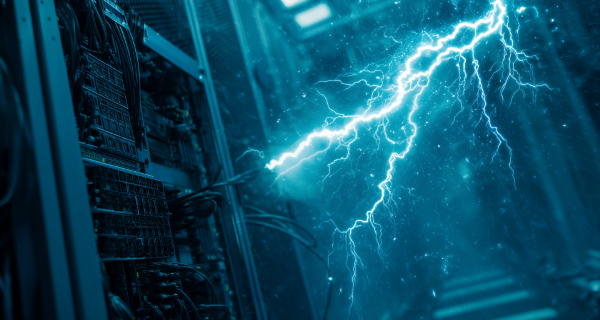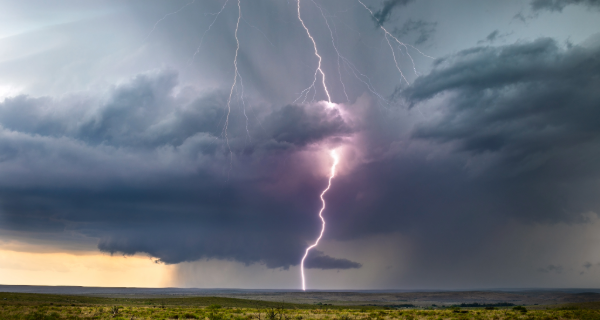
Every second, lightning strikes somewhere on Earth — and each strike carries enough energy to destroy buildings, electronics, and critical infrastructure in an instant. Yet what most people don’t realize is that most lightning-related damage doesn’t come from a direct strike at all. Instead, up to 80% of lightning-induced surges enter through a building’s main electrical service, silently damaging equipment long before anyone notices.
In this post, we break down the reality of lightning-related electrical damage, why even modern buildings remain vulnerable, and how engineered surge protection solutions like Clean Volt™ safeguard homes, farms, and commercial operations.
What Really Happens When Lightning Hits Close to Home
Lightning damage statistics vary by year and region, but the trend is always the same: billions of dollars in property damage annually, most of which is preventable.
Direct Strikes Are Rare — but Surges Are Not
In cities, tall structures and dense infrastructure help divert direct strikes. But in rural areas, lightning may travel over 10 miles to find a grounding point.
Even if lightning doesn’t hit a building directly, the resulting electrical surge can travel through power lines and into:
- Homes
- Businesses
- Farms
- Industrial sites
- Water systems
- Any structure connected to the grid
These surges are responsible for the majority of lightning-related damage.
The Costly Consequences of Lightning-Induced Surges
Lightning creates extreme temperatures — up to nine times hotter than the surface of the sun — and travels at the speed of light. The result can be catastrophic.
- Residential Damage
- Inside a home, lightning-induced surges can instantly destroy:
- TVs and audio systems
- Computers
- Network equipment
- Appliances
- Smart home systems
- HVAC components
Even small surges weaken circuits over time, causing mysterious premature failures that homeowners often misdiagnose.
Commercial and Industrial Damage
In a business setting, the financial impact multiplies. Surges can:
- Short out industrial equipment
- Disable machinery
- Compromise water pumps and blower motors
- Damage HVAC systems
- Corrupt alarm and control systems
- Create system-wide downtime
- Trigger fire hazards
- Cause mechanical failures weeks or months later
- The loss of productivity and emergency repair costs can be devastating.
How Lightning Actually Starts Fires
When lightning strikes a building directly, construction materials can ignite, smolder, or even explode due to:
- Ultra-high temperatures
- Instantaneous pressure changes
- Electrical arcing
- Hidden internal wire damage
This combination makes lightning one of the leading natural causes of fires in rural and urban structures alike.
Are Your Buildings Actually Protected?
Most people assume their electrical panel, breakers, whole-home surge protection or surge bars offer enough protection. Unfortunately:
They don’t.
Traditional surge protection cannot handle the extreme, high-energy transients produced by lightning or utility switching events. And because 80% of surges travel through the grid, no location is immune.
This is where industrial-grade engineered solutions — like the CleanVolt™ CV Series — become essential.
Final Thoughts: Lightning Is Inevitable — Damage Doesn’t Have to Be
Lightning will continue striking somewhere on Earth every second. But the damage it causes is preventable with the right Lightning surge-arrester technology, grounding strategy, and site-level protection plan.
Clean Volt™ surge protection systems are designed specifically to stop destructive transients before they reach your equipment — keeping your property safe, your operations running, and your electronics protected.
Frequently Asked Questions:
If direct lightning strikes are rare, why do I still need surge protection?
Even though direct strikes don’t happen often, up to 80% of lightning-related damage comes from surges that travel through the power grid, not from lightning hitting your building directly. These surges can enter through your electrical service and silently destroy electronics, motors, pumps, HVAC systems, and equipment instantly.
A proper surge protection system like Clean Volt™ is designed to stop these high-energy surges before they damage your home, business, or farm.
Don’t my breakers, power bars, or whole-home surge strips already protect me?
Unfortunately, no.
Most consumer-level surge bars, whole home surge protectors or breakers have never been rated to protect from lightning induced surge events created by lightning, utility switching events, or grid disturbances.
Lightning-related surges exceed what standard devices are built for.
Clean Volt™ SPDs are engineered specifically to handle extreme, high-energy events that typical surge protectors can’t manage. Most surge protection devices could not pass C62.1 Lightning tests which was why this standard was discontinued in the late 90’s.
What kind of damage can lightning-induced surges actually cause?
Lightning-induced surges can cause instant and long-term damage, including:
- Burned-out electronics
- Destroyed HVAC components
- Shorted motors and pumps
- Damaged alarm and control systems
- Corrupted building wiring
- Fire hazards from overheated circuits
- Expensive downtime for commercial operations
Even small surges weaken equipment over time, leading to premature failure that often looks like normal wear — but is actually avoidable surge damage.